


In today’s fast-paced agricultural world, technology like drone spreaders is changing how we approach farming tasks. For small farm owners, the decision to invest in such technology might come with a mix of excitement and hesitation. In this FAQ, we’ll delve into the benefits, considerations, and potential impacts of investing in a drone spreader to help you make an informed decision.
What is a Drone Spreader and How Does It Work?
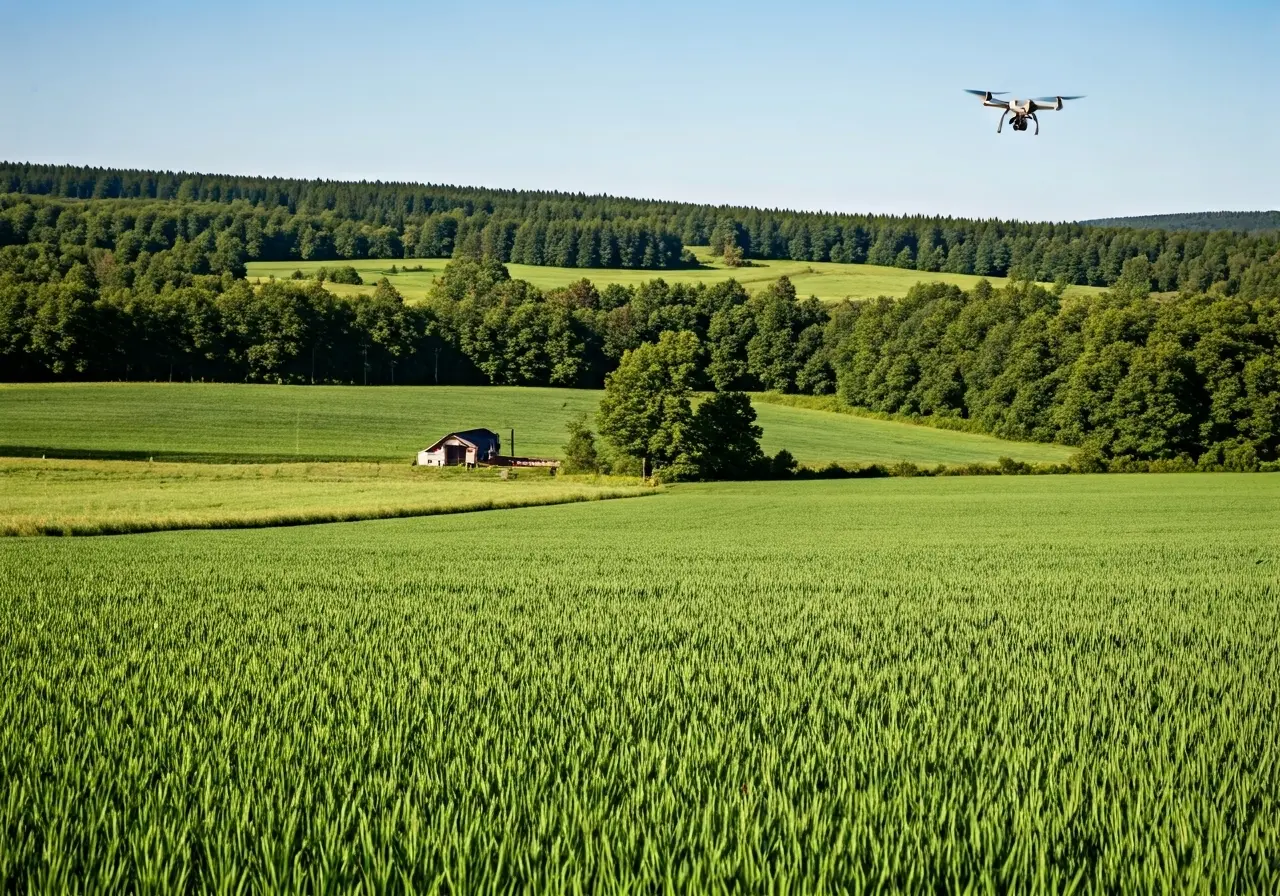
A drone spreader is a type of unmanned aerial vehicle (UAV) equipped to distribute seeds, fertilizers, or pesticides across farmland. It operates by flying over fields and releasing its payload in a controlled manner to ensure even distribution.
Drone spreaders are typically equipped with GPS technology and onboard sensors, allowing them to navigate accurately across the fields. This precision not only ensures that resources are used efficiently but also supports sustainable farming practices by minimizing wastage and reducing the ecological footprint of agricultural activities.
What are the Key Benefits of Using Drone Spreaders on Small Farms?
Drone spreaders offer several benefits, including enhanced precision in application, time savings, and reduced labor costs. They enable farmers to reach difficult-to-access areas and apply products evenly, promoting better crop yield and environmental stewardship.
One of the standout advantages is the efficiency in covering large areas in a shorter time compared to traditional methods. This efficiency is crucial during busy planting or fertilizing seasons. Furthermore, drone spreaders can apply products during critical growth stages of crops, ensuring optimal timing for inputs.
Additionally, by reducing the need for heavy machinery, drone spreaders minimize soil compaction, which can improve soil health over time. This is particularly beneficial for small farms looking to maintain the quality of their land in a sustainable manner.
What Are the Costs Involved, and Are There Financial Incentives?
Costs include the initial purchase or lease of the drone, training, and possible software fees. However, financial incentives such as grants or subsidies for agricultural technology adoption may reduce the investment burden.
The potential return on investment can be significant. By reducing manual labor costs and increasing efficiency, drone spreaders can lead to a positive impact on the farm’s bottom line over time. Investigating local grants or subsidies available for technological upgrades in agriculture may provide further financial relief.
Moreover, the availability of leasing options offers flexibility. This allows small farm owners to manage cash flow effectively while still gaining access to cutting-edge technology, which can be a viable path for those hesitant about upfront purchasing costs.
How Does Implementing a Drone Spreader Impact Farm Management?
Introducing drone technology affects scheduling, training, and crop management strategies. Farm managers must adapt to new data-driven practices to maximize the benefits of drone spreaders.
Embracing this technology introduces the need for data analysis skills. With drones collecting a wealth of data, from soil conditions to crop health, farmers can make informed decisions quickly. This shift towards precision agriculture may initially be challenging but ultimately results in more effective farming operations.
To better accommodate the operational changes associated with drones, small farms can seek resources and training programs dedicated to precision agriculture. These programs often provide essential guidance and support to ease the transition into using drone technology effectively.
Are There Any Challenges or Limitations?
Challenges include regulatory compliance, weather dependency, and maintenance needs. Additionally, small farms may face a learning curve to integrate drone technology effectively.
Adhering to regulations is vital, as drone usage laws vary significantly by region. Farmers must stay updated with changes in legislation to ensure their drone operations remain compliant and efficient, which might require additional administrative effort.
Another notable constraint is weather dependency. Drones may not operate efficiently under adverse weather conditions, such as high winds or heavy rain, which could limit their deployment during crucial farming periods.
Despite these challenges, for those willing to adapt, the potential rewards often outweigh the limitations. Developing a robust maintenance routine can also reduce downtime and enhance the longevity of the equipment, ensuring reliable performance season after season.
Is a Drone Spreader the Right Choice for Your Small Farm?
While the upfront cost of a drone spreader can be substantial, the potential for increased efficiency, precision, and savings on labor and resources can make it a worthwhile investment. For small farms aiming to modernize their operations, embracing drone technology might just be the step needed to enhance productivity and sustainability.